
Have you ever received a message saying “Happiest Birthday!” and wondered whether it was grammatically correct? Or perhaps you’ve wanted to write it in a birthday card but weren’t sure if it sounded natural. You’re not alone—this is a common question among English learners and native speakers alike.
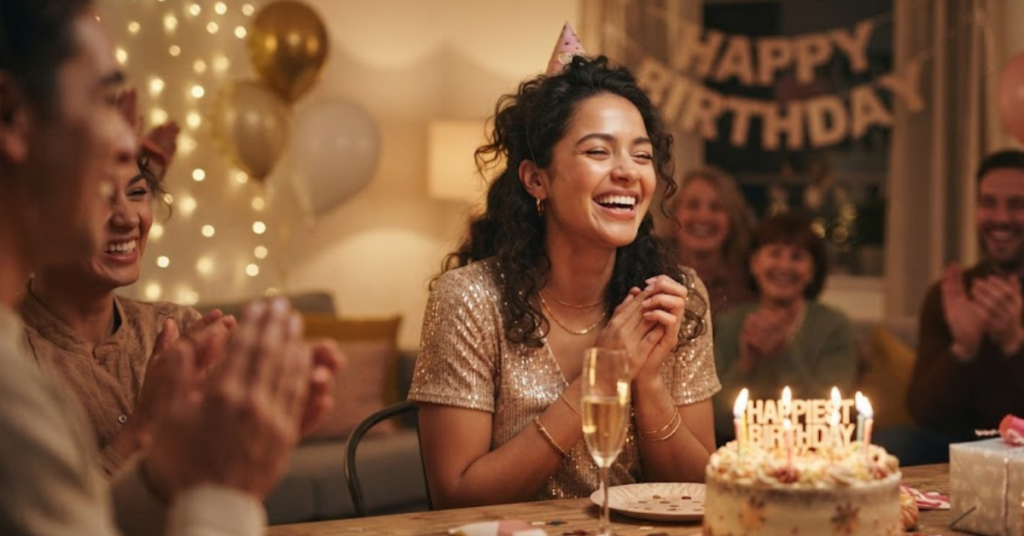
If you’re searching for the happiest birthday meaning, the short answer is that it is a warm, enthusiastic birthday greeting used to wish someone the greatest possible happiness on their special day. While Happy Birthday remains the traditional and most common expression, Happiest Birthday is also widely used in informal communication to add extra warmth and affection. In this guide, you’ll learn whether the phrase is grammatically correct, what it means in English, when to use it, and how it compares with other birthday wishes.
The Short Answer
Here’s the quick answer:
- Happy Birthday Traditional and most common greeting
- Happiest Birthday Grammatically acceptable and commonly used for emphasis
Both expressions are correct, but they serve slightly different purposes.
Happiest Birthday Meaning in English
The happiest birthday meaning in English is simple:
It means “I hope you have the happiest birthday possible.”
Instead of offering a standard birthday wish, the speaker uses the superlative adjective happiest to express stronger emotions and greater affection.
In other words, the phrase wishes someone maximum happiness on their birthday.
Is Happiest Birthday Correct?
Yes.
If you’ve wondered, is happiest birthday correct, the answer is yes.
Although Happy Birthday is the traditional greeting, Happiest Birthday is grammatically acceptable because happiest is the superlative form of happy.
Examples:
- Happiest Birthday to you!
- Wishing you the happiest birthday ever.
- Have the happiest birthday filled with love and laughter.
These expressions are especially common in greeting cards, social media captions, and personal messages.
Why Do People Say “Happiest Birthday”?
People often choose Happiest Birthday to make their wishes sound more heartfelt and memorable.
Instead of simply saying:
Happy Birthday!
They say:
Happiest Birthday!
The superlative form suggests:
- More excitement
- Greater affection
- Stronger emotional emphasis
- A sincere hope that this birthday is better than all previous ones
It’s similar to saying:
- Best wishes
- Warmest congratulations
- Biggest thanks
Happy Birthday vs Happiest Birthday
Although both greetings are correct, they create slightly different impressions.
| Happy Birthday | Happiest Birthday |
| Traditional greeting | More expressive greeting |
| Universally common | Slightly more personal |
| Suitable for every situation | Often used for close friends and family |
| Neutral tone | Warm and enthusiastic tone |
Neither is wrong—the choice depends on the feeling you want to express.
When Should You Use “Happiest Birthday”?
The phrase works especially well in personal messages.
Social Media Posts
- Happiest Birthday to my amazing friend!
- Wishing you the happiest birthday ever!
Greeting Cards
- May you have the happiest birthday filled with unforgettable memories.
Family Messages
- Happiest Birthday, Mom! You deserve all the happiness in the world.
Romantic Wishes
- Happiest Birthday to the love of my life.
Because it sounds warm and affectionate, it’s often chosen for people you know well.
When Is “Happy Birthday” a Better Choice?
Sometimes, the classic greeting is the better option.
Use Happy Birthday when:
- Writing formal messages
- Greeting colleagues
- Addressing clients
- Sending professional emails
- Speaking to acquaintances
Examples:
- Happy Birthday! Wishing you continued success.
- Happy Birthday! Hope you have a wonderful day.
Examples of “Happiest Birthday” in Sentences
Here are some natural examples.
- Happiest Birthday! May all your dreams come true.
- Wishing you the happiest birthday and a fantastic year ahead.
- Have the happiest birthday surrounded by people who love you.
- Sending you my warmest wishes for the happiest birthday ever.
- Here’s to the happiest birthday and countless blessings.
Is “Happiest Birthday” Grammatically Correct?
Yes.
Some people mistakenly believe only Happy Birthday is correct.
In reality, English allows adjectives to appear in their comparative and superlative forms when emphasizing wishes.
Examples:
- Best wishes
- Warmest regards
- Deepest sympathy
- Happiest Birthday
While Happy Birthday is more conventional, Happiest Birthday is perfectly understandable and grammatically sound.
Why Has “Happiest Birthday” Become So Popular?
Social media has played a significant role in the popularity of expressive greetings.
Platforms like Instagram, Facebook, and messaging apps encourage personalized messages that stand out.
As a result, people increasingly write:
- Happiest Birthday
- Happiest Anniversary
- Biggest Congratulations
- Warmest Love
These expressions add personality and emotional warmth.
Alternative Birthday Wishes
If you’d like to vary your greetings, consider these options:
- Wishing you a wonderful birthday.
- Have an amazing birthday!
- Hope your special day is unforgettable.
- Enjoy every moment of your birthday.
- Wishing you endless happiness today and always.
- May this year bring you success, joy, and good health.
Each conveys kindness while avoiding repetition.
Common Mistakes to Avoid
Mistake 1
Thinking Happiest Birthday is grammatically incorrect.
It isn’t.
Both Happy Birthday and Happiest Birthday are acceptable.
Mistake 2
Using the phrase in highly formal documents.
For business correspondence, Happy Birthday usually sounds more natural.
Mistake 3
Overusing superlatives.
Using expressions like “the happiest, greatest, bestest birthday ever” can sound exaggerated. One superlative is enough.
Practical Tips for Writing Better Birthday Wishes
Here are a few simple ideas:
- Personalize the message with the person’s name.
- Mention a shared memory or compliment.
- Add a heartfelt wish for the coming year.
- Choose Happiest Birthday when you want your greeting to sound extra warm.
- Keep your message sincere rather than overly elaborate.
A thoughtful message often means more than a long one.
Key Takeaways
- Happiest Birthday means wishing someone the greatest possible happiness on their birthday.
- The phrase is grammatically correct and widely used in informal English.
- Happy Birthday remains the traditional greeting.
- Happiest Birthday adds warmth, affection, and stronger emotional emphasis.
- Both expressions are appropriate, depending on the context and your relationship with the recipient.
Frequently Asked Questions
What is the happiest birthday meaning?
The phrase expresses a wish that someone enjoys the happiest possible birthday. It is simply a more enthusiastic version of Happy Birthday.
Is happiest birthday correct?
Yes. Happiest Birthday is grammatically correct and commonly used in greeting cards, text messages, and social media posts.
Happiest birthday meaning in English?
In English, it means “May you have the happiest birthday possible.” It emphasizes joy and heartfelt wishes.
Is Happy Birthday or Happiest Birthday better?
Both are correct. Happy Birthday is more traditional, while Happiest Birthday sounds warmer and more expressive.
Can I write “Happiest Birthday” in a birthday card?
Absolutely. It’s a thoughtful and affectionate greeting that works well for family members, close friends, and loved ones.
Why do people say Happiest Birthday instead of Happy Birthday?
People use it to make their birthday wishes feel more personal, emotional, and memorable. The superlative happiest adds extra emphasis to the sentiment.
Conclusion
Understanding the happiest birthday meaning is easier than it first appears. The phrase is a heartfelt variation of the traditional Happy Birthday, expressing a wish that someone experiences the greatest happiness possible on their special day. While Happy Birthday remains the most widely used greeting, Happiest Birthday is grammatically correct and has become increasingly popular in personal messages, greeting cards, and social media because of its warm and affectionate tone.
Whether you’re writing to a close friend, a family member, or someone special, choosing between the two depends on the emotion you want to convey. If you want your message to feel extra sincere and memorable, Happiest Birthday is a wonderful choice. By understanding when and how to use it, you can create birthday wishes that sound natural, meaningful, and genuinely heartfelt.