
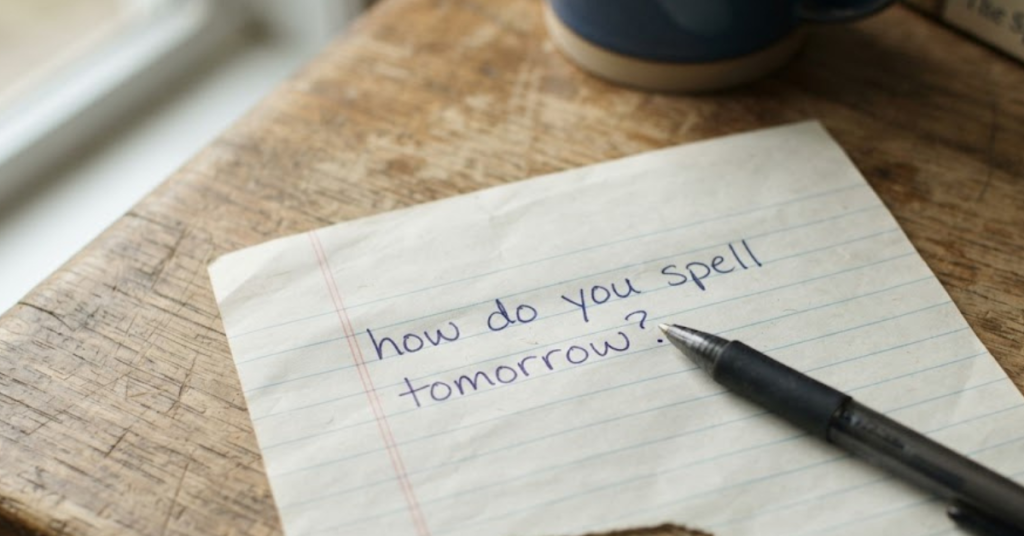
Have you ever typed a message, written an email, or filled out a form and suddenly wondered, “Am I spelling this word correctly?” Many people search how do you spell tomorrow because this everyday word is surprisingly easy to misspell.
The correct spelling is tomorrow — with one “m” and two “r’s.” In this guide, we will explore the correct spelling, the meaning of the word, common mistakes like “tommorow,” and simple tricks to remember the right version.
What Is the Correct Tomorrow Spelling?
The correct spelling is:
Tomorrow
The word refers to the day after today. It is used when talking about a future time that is only one day away.
Examples:
- I will finish my homework tomorrow.
- The meeting is scheduled for tomorrow morning.
- We are traveling tomorrow.
A common mistake is writing tommorow , but this version is incorrect because it adds an extra “m.”
What Is Tomorrow? Meaning and Definition
If you are wondering what is tommorow or what the word means, the answer is simple: tomorrow is the next day after the current day.
For example:
- If today is Monday, tomorrow is Tuesday.
- If today is July 23, tomorrow is July 24.
The word is commonly used in everyday conversations, schedules, plans, and future arrangements.
Tomorrow in Different Contexts
The meaning stays the same, but its use can change depending on the situation.
Daily conversation:
- “I’ll call you tomorrow.”
Workplace communication:
- “The report will be completed tomorrow.”
Future planning:
- “Tomorrow is another opportunity to start again.”
How to Spell Tomorrow Correctly
Many people struggle with the arrangement of letters in this word. Breaking it down makes it easier:
To + mor + row = Tomorrow
Remember these parts:
- To comes first.
- One “m” appears after “to.”
- Two “r’s” appear near the end.
The correct structure is:
T O M O R R O W
Not:
Tommorow
Tomorow
Tomarrow
Why Do People Misspell Tomorrow?
The word looks simple, but its repeated sounds can create confusion. English spelling does not always perfectly match pronunciation, which makes certain words harder to remember.
Common Mistakes With Tomorrow
1. Writing “Tommorow”
This is the most common error.
Incorrect:
- I will see you tommorow.
Correct:
- I will see you tomorrow.
The mistake happens because people often think the double “m” sound requires two m’s. However, tomorrow only has one “m.”
2. Writing “Tomorow”
Some people remove one of the “r’s.”
Incorrect:
- See you tomorow.
Correct:
- See you tomorrow.
The ending contains “row,” but the middle has two r’s.
3. Writing “Tomarrow”
This mistake comes from pronunciation differences. Some speakers hear the word as if it contains “a,” but the correct spelling has no “a.”
Correct:
- Tomorrow
Easy Tricks to Remember Tomorrow Spelling
Remembering spelling becomes easier with small memory techniques.
Use the “One M, Two R” Rule
A simple trick:
Tomorrow = 1 M + 2 R’s
- One M in the middle
- Two R’s before the final “ow”
Connect It With Today
Think of the pair:
- Today
- Tomorrow
Both begin with “to,” which helps you remember the first part.
Practice Writing the Word
Writing the word several times can help your brain recognize the correct pattern:
Tomorrow
Tomorrow
Tomorrow
After repeated use, the spelling becomes natural.
Tomorrow vs Today vs Yesterday
These three words describe different points in time.
| Word | Meaning | Example |
| Today | The current day | I am busy today. |
| Tomorrow | The next day | I will travel tomorrow. |
| Yesterday | The previous day | I visited them yesterday. |
Understanding these differences helps avoid confusion when using time-related words.
Is “Tommorow” Ever Correct?
No. Tommorow is not a correct spelling in standard English.
Although many people write it this way because it feels natural, dictionaries recognize only:
Tomorrow
Spell-check tools in programs like Microsoft Word, Google Docs, and smartphone keyboards usually identify “tommorow” as an error and suggest the correct spelling.
The History Behind the Word Tomorrow
The word “tomorrow” comes from Old English. It developed from the phrase meaning “on the morning after” or “the following day.”
Over centuries, English combined these ideas into the single word we use today.
Many everyday English words have changed over time, and tomorrow is an example of how language evolves while keeping its original meaning.
Key Takeaways
- The correct spelling is tomorrow.
- Tomorrow means the day after today.
- The word has one “m” and two “r’s.”
- “Tommorow,” “tomorow,” and “tomarrow” are incorrect spellings.
- Breaking the word into parts can make it easier to remember.
FAQ: Common Questions About Tomorrow Spelling
How do you spell tomorrow correctly?
The correct spelling is tomorrow. It contains one “m” and two “r’s.”
What is tommorow?
“Tommorow” is a common misspelling of tomorrow. The correct word refers to the day after today.
How to spell tomorrow easily?
A simple way to remember it is: one M, two R’s — tomorrow.
Is tomorrow spelled with two m’s?
No. Tomorrow has only one “m.” Writing “tommorrow” or “tommorow” is incorrect.
What does tomorrow mean?
Tomorrow means the next day after the present day. For example, if today is Friday, tomorrow is Saturday.
Conclusion
Knowing how do you spell tomorrow correctly is a small but useful part of improving everyday English writing. The correct spelling is simple: tomorrow — one “m” and two “r’s.”
Whether you are writing a professional message, making plans, or practicing English, remembering this spelling rule will help you avoid one of the most common spelling mistakes. Keep practicing, and words like tomorrow will become effortless to write correctly.